Floors and wet surfaces
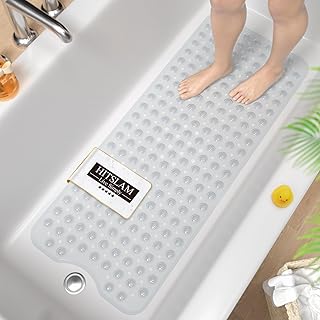
Wet baths, shower trays and floors are a common cause of slips. A non-slip mat inside the bath or shower gives better grip underfoot, while anti-slip strips are a lower-profile option that stay in place. Outside the bath, use a bath mat with a rubber backing and remove loose rugs that can slide or catch toes. Wipe up water straight away and keep the floor clear of clutter.
Water temperature
Older skin can scald more easily, and some people have reduced feeling in their feet or hands. A bath thermometer lets you check the water before getting in. Running cold water first and then adding hot helps reduce the risk of scalds. If you are worried about very hot water, a plumber can advise on fitting a thermostatic mixing valve to the bath or basin.
Lighting and night-time trips
Many falls happen on the way to the toilet at night. A plug-in night light or motion-sensor light on the landing and in the bathroom means no one has to fumble for a switch. Make sure the light switch is easy to find and that the route is clear of trip hazards such as cables, shoes and laundry baskets.
Support and seating
Look at where the person needs to hold on. Grab rails by the toilet, bath and shower give a secure handhold. A shower seat, bath board or bath lift can reduce the need to stand on wet surfaces. A raised toilet seat or frame can make standing up easier. Each aid solves a different problem, so focus on the moments that feel hardest first.
Getting help if something goes wrong
A bathroom alarm or pull cord can call for help if someone feels unwell or falls. Personal alarms worn on the wrist or neck can also work in the bathroom if they are waterproof. Consider leaving the bathroom door unlocked, or fitting a lock that can be opened from outside. If you are worried about falls, speak to your GP, who can refer you to a falls service or occupational therapist.
Daily living aids
Long-handled sponges, toe washers and hair aids reduce bending and stretching while washing. Reachers and grabbers help pick up dropped items without stooping. Sock aids and long shoe horns help with dressing after bathing. These small aids can help people keep their independence for longer and reduce strain on carers.